
Understanding the significance of the biocompatibility journey and why it’s essential for US FDA Approval
Earlier this week, Ocumetics sent out a press release announcing that we completed our three-month biocompatibility study and received very favorable results. Receiving favorable results in this study is a critical aspect in the field of health care and medical device development.
This significant milestone refers to the ability of a material or, in our case, a device, to perform its intended function without causing harm to the biological system it interacts with. This concept ensures that the device or material is compatible with living tissues, cells, and the human body, without triggering adverse reactions.
The US Food and Drug Administration (FDA) regulates medical devices and ensures that they are safe and effective for their intended use. Biocompatibility assessments are a crucial part of their evaluation process for medical devices. Manufacturers must demonstrate that their devices are biocompatible and meet specific standards and regulations set by the FDA.
The FDA requires comprehensive testing and documentation to establish the safety of the device regarding its interactions with the human body. This includes assessing the device’s materials, design, and potential risks associated with its use. Satisfactory evidence of biocompatibility is required to obtain FDA approval for a medical device.
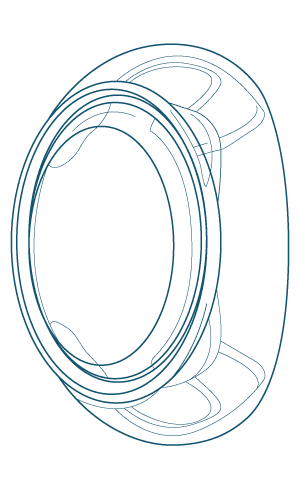
Ocumetics has now obtained the required evidence of biocompatibility for the Ocumetics Accommodating Lens and can now take the next step in the clinical trial process, with the goal of obtaining FDA approval.
Receiving FDA approval is a vital step for medical devices to enter the market and reach patients. It signifies that the device has undergone rigorous evaluations, including the biocompatibility assessments that ensure its safety and efficacy. This approval not only validates the quality of the device, but also instills confidence in health-care providers and patients regarding its use.
With our positive results in hand, our next step is to submit an Investigational Device Exemption (IDE) application to the FDA. This application will outline our proposed clinical trial plan for the Ocumetics Accommodating Lens and provides a comprehensive overview of our design and intended use. We expect to have this application completed in the next few weeks.
Once we are granted an IDE, we will commence clinical trials on human subjects and we expect this process to begin in Q1 2024 in the Dominican Republic.
As always, the above is a high-level overview of the process. We are available to provide more detail at any time. Please contact me at dean.burns@ocumetics.com with any questions.
Today marks a defining moment in the history of Ocumetics—and in the future of vision restoration worldwide. It is with great pride and anticipation that I share we are now entering the final stages before our First-In-Human (FIH) clinical study for the Ocumetics Lens. This is more than a corporate milestone; it is the beginning
Ocumetics Director and CEO, Dean Burns, walks through relevant topics including:1. Development Update on the Ocumetics IOL2. Remaining steps to first-in-human study3. Q&A session Thanks to everyone who joined us for the Webinar. It was an amazing turnout, and it was great to hear your questions and comments. We look forward to hosting more webinars in
Dear Stakeholders, I want to take a moment to update you on our progress with the development of Ocumetics’ accommodative intraocular lens (AIOL), which will soon undergo its first-in-human (FIH) trials. As you know, we are committed to pioneering advanced ophthalmic technologies that will transform the way we treat cataracts and other vision conditions. In

Ocumetics Director and CEO, Dean Burns, walks through relevant topics including: Successful manufacture of the Ocumetics IOL Remaining steps to first-in-human study Q&A session Thanks to everyone who joined us for the Webinar. It was an amazing turnout, and it was great to hear your questions and comments. We look forward to hosting more webinars